

Bridging the Gap Between Exam Prep and Test Day Preparing for licensing exams requires more than...
What Changed?
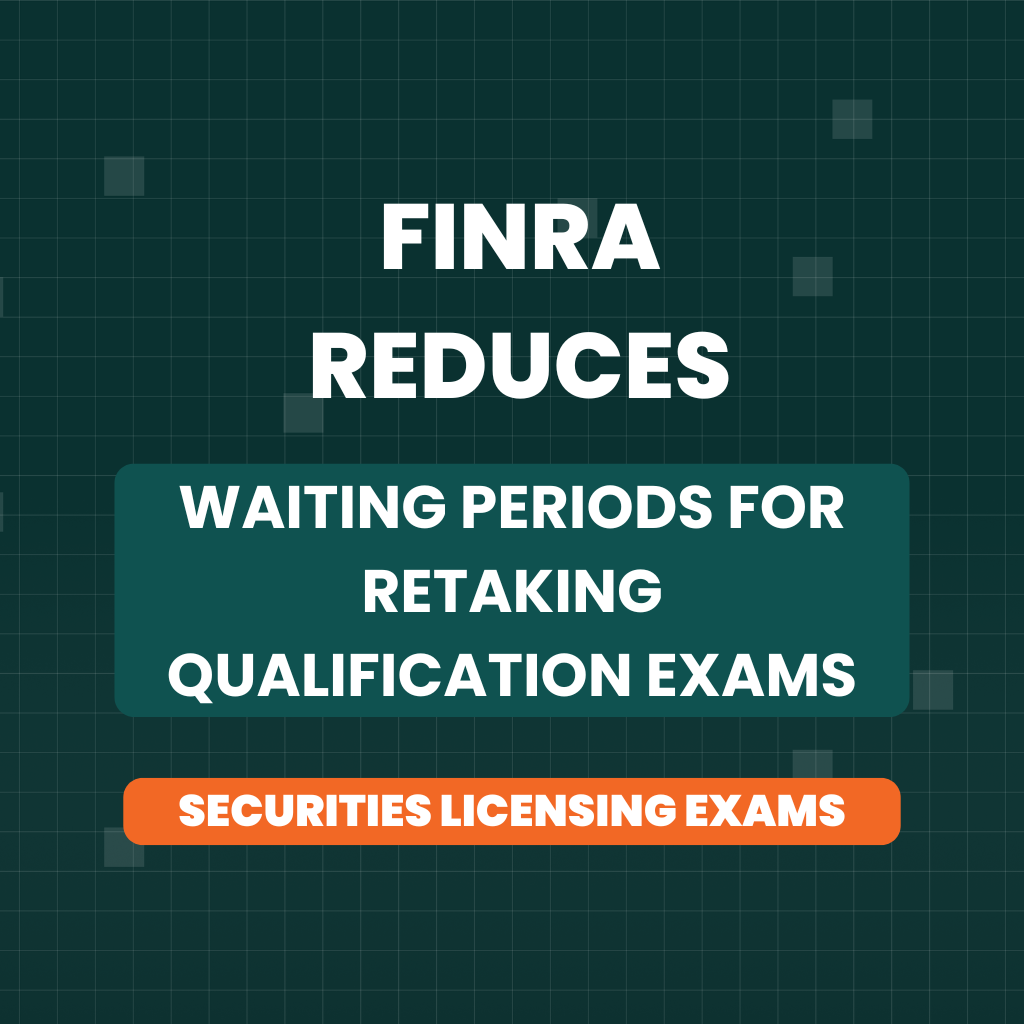
FINRA recently announced changes to Rule 1210 (Registration Requirements) that will shorten waiting periods for candidates retaking qualification examinations, including the Securities Industry Essentials (SIE) exam and FINRA representative-level exams.
- The waiting period after a first or second failed attempt will be reduced from 30 days to 15 days.
- The waiting period after a third or subsequent failed attempt within a two-year period will be reduced from 180 days to 60 days.
The rule change became effective upon filing with the SEC on June 29, 2026. However, FINRA has indicated that it is currently updating its systems to support the new retesting timelines and will announce a separate implementation date in a future regulatory notice. These changes will apply to all FINRA qualification examinations, including the SIE exam.
Impact on Candidates
For candidates, shorter waiting periods may provide more flexibility if an exam attempt doesn't go as planned.
Instead of waiting a full 30 days after a first or second failed attempt, eligible candidates may be able to schedule a retest sooner once FINRA's implementation date is announced. This could help candidates maintain momentum and continue progressing toward their registration goals.
However, a shorter waiting period doesn't necessarily mean a candidate should test again as quickly as possible. Before scheduling a retest, candidates should take time to review their performance, identify knowledge gaps, and focus on the areas that contributed to the unsuccessful attempt.
Read more tips about what to do if you fail: Effective Strategies for Passing your Licensing Exam After a Failure.
Exam success is built on preparation, not simply timing. Candidates should work with their manager, training team, and study resources to determine the most appropriate time to retest based on their readiness and understanding of the material.
What This Means for Organizations
For many firms, licensing timelines directly impact onboarding, productivity, and candidate retention.
The shorter waiting periods may allow candidates who narrowly miss a passing score to return to testing more quickly, potentially helping organizations reduce delays in the licensing process.
At the same time, organizations may want to consider how these accelerated timelines affect remediation and exam readiness strategies. Faster access to a retest can be beneficial, but candidates still need sufficient time to identify and address knowledge gaps.
Questions Managers Should Consider
As this rule rolls out, managers may want to evaluate:
- How many candidates historically leave the program during retesting waiting periods?
- Could shorter retesting windows improve candidate retention?
- How are second- and third-attempt test takers currently supported?
- Should remediation or coaching strategies be adjusted?
- What indicators will be used to determine whether a candidate is ready to retest?
Organizations that already leverage performance reporting, practice exams, and readiness indicators may be particularly well positioned to help candidates make the most of these changes.
Looking Ahead
Whether you're a licensing manager evaluating retesting strategies for your recruits or a candidate preparing for your next exam attempt, these updated waiting periods may create new opportunities to reduce delays and maintain progress toward licensure.
We'll continue to monitor FINRA's implementation updates and share additional information as it becomes available.

.jpg?width=50&name=Cindy%20(1).jpg)
.png?t=1754063329999&width=40&height=35&name=Img%20(6).png)